
Building Belonging Challenge
Announcing our Building Belonging Cohort
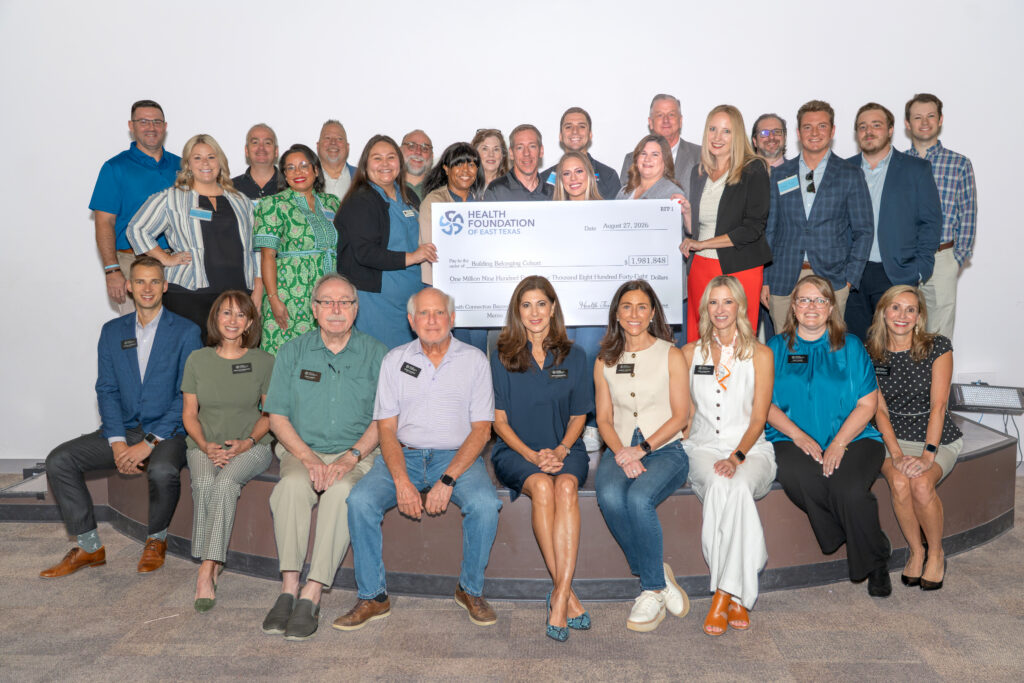
The Health Foundation of East Texas is pleased to announce the Building Belonging Cohort, a group of organizations and community leaders working to strengthen connection and belonging among the youth of Smith County.
In early 2026, we issued our first challenge statement-based Request for Proposal (RFP), asking a crucial question: What would it take for the youth of Smith County to be more connected to one another, their families and their communities without the use of technology? We invited our community to dream big and not only explore upstream solutions that address root causes and shift systems, but to try and find new ways to invite youth into the conversation and uplift their voices.
What we’re investing in
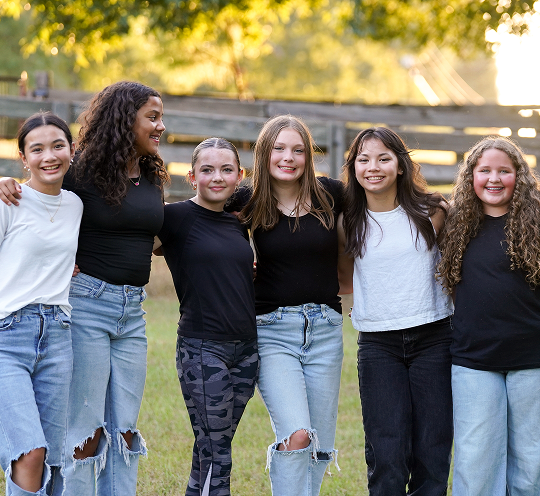
Through the application process, three essential opportunities for connection emerged as focal points for the community: rebuilding peer relationships, strengthening community connection, and creating a stronger ecosystem of support around youth.
The organizations and individuals selected for the Building Belonging Cohort are approaching this challenge in their own intentional ways, while collectively working toward a shared vision for impact.
Together, their work will strengthen three essential connections:
Connecting Youth to Each Other—Peers need opportunities that help build friendships and social support networks beyond screens; these opportunities build meaningful peer relationships, mentorship, teamwork, and shared experiences.
Connecting Youth to their Communities—A stronger sense of place and belonging can be nurtured amongst youth; such projects help youth engage with community assets, public spaces, cultural institutions, and the broader East Texas community.
Connecting Communities Around Youth—Finally, addressing ecosystems is vital: strengthening the organizations, networks and environments that shape young people’s daily lives cultivates belonging.
We’re investing more than $1.98 million across 11 projects and organizations in our Building Belonging 2026 Cohort to bring these ideas to life across Smith County. We are proud to partner with this group of leaders who are willing to do things differently and work together toward a more connected community for our youth.
A cohort model to cultivate belonging
The Building Belonging 2026 Cohort supports a wide range of efforts aimed at addressing the rising disconnection amongst youth– and, within the cohort itself, we’re promoting a greater sense of belonging.
By structuring opportunities for partners to engage in peer learning and networking, we aim to root belonging in the very core of the program. The cohort will be led by Alex Edgar, a nationally recognized philanthropic advisor, who will conduct individual coaching sessions as well as facilitate group learning opportunities for all cohort members.
Our aim is to ensure that our investments accurately reflect the priorities of the next generation, while also cultivating belonging and connection between our community leaders.
Meet our cohort
Connecting Youth to Each Other
James and Jake Hardin – The HERO Project
This project aims to build curriculum and pilot test the HERO Project, in which youth will engage in a structured, narrative experience building fictional worlds, designing characters, and transforming real-world challenges into story elements.
Contact: james.heroproject@gmail.com
Scouting America – Youth Lead Peer Connections
The expanded Patrol Method approach in scouting provides a scalable and sustainable model for helping youth develop meaningful peer relationships, reduce social isolation, and strengthen resilience through consistent, in-person connection. This project aims to deeply embed the peer-led Patrol Method across all East Texas Area Council Scouting programs.
Website: https://www.scoutingevent.com/585
The Mentoring Alliance – Mentoring Alliance Tackles Digital Isolation
Through the Connected Futures Initiative, Mentoring Alliance will expand access to its out-of-school-time programs and serve more children by increasing growth opportunities through: expanding staff recruitment efforts from local East Texas colleges and universities; increasing participation through targeted parent-engagement activities; and strengthening programs to maintain relevance, improve effectiveness, and demonstrate measurable impact.
Website: https://thementoringalliance.com/
Tyler Civic Theatre Center – Story Sprint Smith County
This project will create a local theatre program that is quickly able to foster collaboration and interpersonal connection. The proposed program includes intentional youth mentorship, cross-school team building, and structural emotional support systems with a vision toward recurring year-round engagement opportunities and long-term leadership development.
Website: https://tylercivictheatre.com/
Connecting Youth to Their Communities
City of Tyler – Tree Based Learning Trail
This project leverages the already well-used public trail between Hubbard and Legacy, which encourages connection, curiosity, and shared community experiences. Through a combination of trail enhancements, self-guided trail journals, hands-on activities during annual events, and partnerships with teachers at both campuses, this shifts expectations of how youth can use public spaces and connect to their community.
Website: https://www.tylerparksandrec.com/KTyB-Forestry/Urban-Forestry
Ashley Morrison and Matthew Huckabee – Light Up Faulkner Skatepark
The Light Up Faulkner initiative is a community-driven effort focused on strengthening belonging, connection, accessibility, mentorship, recreation, and long-term youth engagement at Faulkner Skate Park– supporting both physical improvements and intentional youth-specific programming put on by community members in full partnership with the City.
East Texas Symphony Orchestra – Meaningful Connection through Music
The East Texas Symphony Orchestra will sustain and grow LinkUp, its education program that already brings live orchestral music to over 3,000 students each year through in-classroom curriculum and a culminating interactive concert. ETSO will continue and strengthen their research to uncover each school’s needs, deepen partnerships with districts, and extend this in-person, screen-free connection and positive community gatherings to more students in Smith County.
Website: https://etso.org/
City of Tyler – Summer Park Project
The purpose of this project is to provide affordable summer enrichment programming for youth through educational activities, recreation, and social-emotional learning opportunities. The project will begin with a meaningful teen interest research project to begin idea exploration for new or expanded summer programs.
Website: https://www.tylerparksandrec.com/
Connecting Our Communities Around Youth
Tyler Area Business Education Council – Connected Tyler
Through a combination of current and new programs, Connected Tyler is designed to create transformational change by strengthening how East Texas communities collectively support youth connection, belonging, workforce engagement, and well-being. Programs will provide multiple engagement opportunities that connect students based on their interests and goals.
Website: https://www.tabec.org/
Next Step Community Solutions – Three Spheres of Belonging
Next Step Community Solutions will extend the Sources of Strength framework into three interconnected spheres: peer connection in schools, family connection, and community connection. This expansion is supported by a public awareness strategy that embeds the language of belonging to Smith County’s broader culture, providing a replication framework for communities outside of East Texas.
Website: http://www.nextstepcs.org/
Tyler ISD Foundation – Cultivating Connection
This Tyler ISD Foundation initiative establishes a sustainable, district-owned, and managed learning ecosystem anchored at the Owens campus with a structured outdoor learning hub for immersive, cross-campus learning experiences. Dixie and other campuses implement integrated “mini ecosystems” through school gardens, outdoor science spaces, and classroom-based agricultural kits with a view toward long term partnerships for increased agricultural education.
In the News